How Carnivore Changes Your Brain Chemistry (And Mood)
A science-backed look at how a carnivore diet fuels the brain, balances neurotransmitters, and helps lift depression, anxiety, and brain fog.


When I first cut carbs and sugar, I expected to feel hungry, maybe a bit weak, and hopefully a little leaner.
What I didn’t expect was the wave of mental clarity that hit me — and then, a few weeks later, the emotional crash that followed.
I had spent years battling depression, brain fog, and the numbing side effects of psychiatric medication. I thought my brain was just broken. Yet when I went fully carnivore, something shifted. My mornings felt lighter. My thoughts stopped looping. Colors looked a little brighter. And for the first time in years, I caught myself laughing — real, belly-shaking laughter — without forcing it.
Then, just as quickly, I faced unexpected anxiety, sleep issues, and days when motivation disappeared. If you’ve felt this rollercoaster, you’re not alone.
I’d love to hear where you are in your carnivore journey — comment below and tell me what mental changes you’ve noticed. I reply to help whenever I can.
This article is the guide I wish I’d had when my brain started to change. It’s personal, but also rooted in the science of metabolic psychiatry and what we know about how diet impacts the brain.
Why Your Brain Feels Different on Carnivore
Our brains run on fuel and chemistry. For most people eating a standard diet, that fuel is mostly glucose. When you cut carbs and go zero-carb, you shift to ketones — a cleaner, steadier energy source.
But fuel isn’t the only change. Carnivore affects neurotransmitters, inflammation, and hormone signaling, all of which shape mood and mental health.
Let’s break down what’s actually happening.
1. Ketones Stabilize Energy (And Emotions)
Think about the brain on sugar: peaks and crashes. You eat, you feel alert, then you dip and crave more. That cycle fuels anxiety and irritability.
When you go carnivore:
Glucose drops, ketones rise. Your brain gets a steady, slow-burning fuel.
Mitochondria work better. Ketones produce fewer free radicals than glucose, reducing oxidative stress.
Energy stabilizes. This often feels like less brain fog and more emotional steadiness.
Many people describe it as “the lights came on” or “my head feels quiet for the first time in years.”
2. Less Inflammation Means Clearer Thinking
Chronic inflammation is strongly linked to depression and anxiety. It disrupts neurotransmitters, makes the brain feel “foggy,” and even blunts motivation.
Meat-only eating cuts out most inflammatory triggers:
No seed oils, processed sugars, or gluten.
Dramatic insulin and blood sugar improvements.
Less gut permeability (a driver of neuroinflammation).
For me, this was huge. My mood swings became less violent. The flat, heavy depression lifted enough for me to start living again.
3. The Glutamate/GABA Balance Resets
If you’ve struggled with anxiety, panic, or insomnia, this one matters.
Glutamate is excitatory — too much makes your brain feel “wired but tired.”
GABA is calming — it’s the brain’s brake pedal.
Carb-heavy diets and unstable blood sugar can tilt this system toward too much glutamate. Ketosis and amino acids from meat support GABA production and balance the system.
It’s why many carnivore eaters say their anxiety goes down and sleep eventually improves (though the transition can be rough at first).
4. Dopamine Sensitivity Improves
Years of sugar and processed food blunt dopamine receptors. It’s like turning up the volume on cravings while muting motivation.
Carnivore — high in tyrosine, B vitamins, and steady fuel — helps reset dopamine sensitivity:
You feel more motivated without chasing sugar highs.
Mood stabilizes.
Pleasure from normal life slowly returns.
If you’ve been on antidepressants or antipsychotics, this shift can feel dramatic — but it’s also where some caution is needed if you’re tapering meds. Sudden neurotransmitter changes can destabilize people already vulnerable.
5. Hormones Start Aligning With the Brain
Cortisol, insulin, leptin, and thyroid hormones all talk to your brain.
Lower insulin + stable ketones calm overactive stress pathways.
Leptin sensitivity may improve, which helps appetite and energy regulation.
Some people notice thyroid shifts during adaptation — fatigue, cold hands, mood dips. Usually, this stabilizes as the body fully adapts.
Knowing these shifts are normal (and often temporary) prevents panic when mood fluctuates.
My Mental Health Story on Carnivore
I started carnivore at my lowest: 131 kg, heavily medicated, depressed, and feeling like life was slipping away. My psychiatrist wanted to increase meds. I refused.
I switched to eating just meat, fish, and eggs. In the first month, I felt unreal clarity — I could read again, write with focus, and plan my day without dread.
But then came a crash: anxiety spiked, sleep broke, motivation wavered. I almost quit.
What saved me was understanding the brain’s adaptation timeline:
Weeks 1–3: relief and mental clarity.
Weeks 4–8: neurotransmitter rebalancing — often anxiety, restlessness, insomnia.
After 8 weeks: stability returns, mood lifts deeper, and resilience builds.
Knowing this stopped me from panicking and returning to carbs “for comfort.”
Practical Tips for Supporting Your Brain During Adaptation
These are the lessons that helped me stabilize:
1. Eat Enough Fat (Don’t Fear It).
Too little fat = low energy, irritability, and anxiety. Most need at least 70–80% of calories from fat during adaptation.
2. Keep Salt & Electrolytes High.
Sodium, potassium, and magnesium shifts can cause headaches, low mood, and brain fog. Salt your food liberally and consider electrolyte water.
3. Prioritize Sleep, Even If It’s Weird.
Sleep often feels fragmented at first. Stick to a dark, cool room and a fixed bedtime. Avoid fasting too aggressively early on.
4. Manage Expectations.
Mental clarity comes in waves. Some days you’ll feel unstoppable, other days flat. It’s normal.
5. If You’re on Medication — Be Cautious.
Don’t stop or reduce meds on your own just because you feel better. The brain needs careful, hyperbolic tapering to avoid withdrawal or relapse. This is where tomorrow’s deeper guide will help.
What Science Is Catching Up To
Metabolic psychiatry — a growing field — is showing that dietary change can be a foundational mental health intervention:
Ketones improve brain energy metabolism.
Low inflammation supports neurotransmitter balance.
Stable blood sugar reduces mood volatility.
Dr. Christopher Palmer’s work on ketogenic therapy for depression and bipolar disorder, and Dr. Anthony Chaffee’s teachings on eliminating plant toxins and carbs, are shaping a new way of looking at mental illness: fuel and environment first, medication second.
This doesn’t mean diet is a magic cure. But for many, it’s the first time the brain feels like it’s working with them, not against them.
For Those Tapering Medications
I get messages from readers who feel better on carnivore and want off their antidepressants or antipsychotics. I understand — I’ve been there.
But here’s the truth: good brain fuel isn’t enough to make tapering safe. You need strategy:
Hyperbolic tapering (tiny, slowing dose cuts) prevents receptor shock.
Supporting mitochondria and neurotransmitters during withdrawal reduces crash risk.
Tracking symptoms and adapting your diet to support the brain can make or break success.
This is exactly what tomorrow’s paid article covers in depth.
Why This Matters
If you’ve battled mental health issues, you know the hopelessness of feeling chemically “stuck.” Carnivore doesn’t just change your waistline — it can wake up a brain that’s been numbed, inflamed, and underpowered for years.
That shift can bring joy back. It can also feel overwhelming if you’re not prepared.
I want you to feel empowered and informed, not blindsided.
A Gentle Next Step
If this guide helped you understand why your brain feels different on carnivore, tomorrow’s paid post goes deeper.
I’ll share my full Brain Repair on Carnivore plan — the metabolic psychiatry strategies I use to support neuroplasticity, stay stable while tapering, and rebuild drive after years on meds.
It includes:
My neuroadaptation tracker to spot warning signs early.
A step-by-step taper resilience plan built for real life.
Advanced strategies for protecting mood while your brain rewires.
It’s for anyone who’s ready to heal deeper, stay safe coming off medication, and reclaim mental clarity for the long term.
👉 If you want access, consider upgrading to the paid version of Win Your Life Back.
You’ll get tomorrow’s guide plus every future deep-dive, so you can build lasting mental health and metabolic resilience.
So want to take control of your health and mindset?
Subscribe to my YouTube channel, Billy Poon, for video essays, health content, and practical strategies to level up your life.
Don’t miss out—hit that subscribe button now!
📝 Love real, raw, and helpful writing?
Check out my Medium blog where I dive deep into health, mindset, and personal transformation.
Read and follow here: Billy Poon on Medium
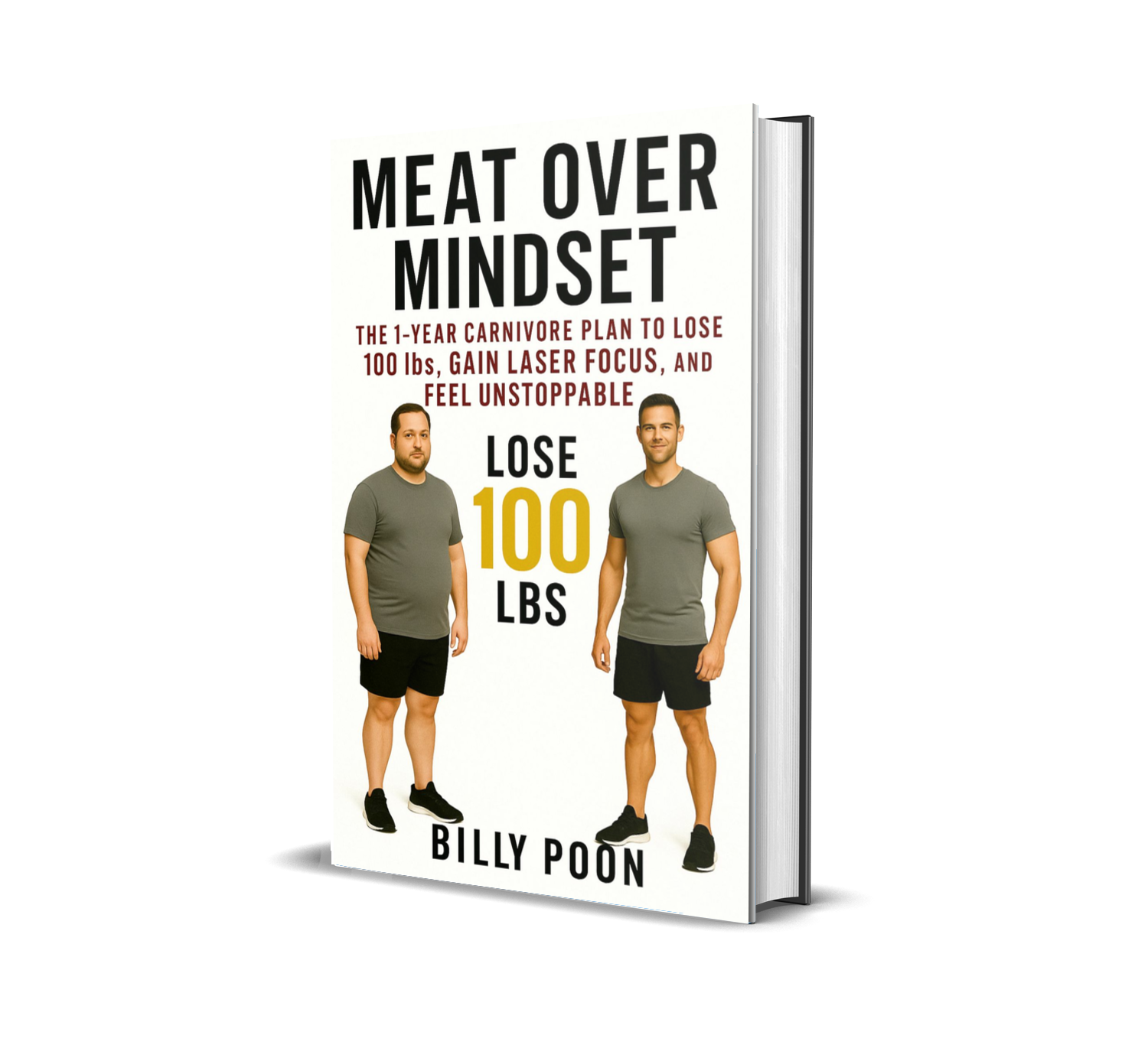
Want to lose 100 lbs, break food addiction, and feel unstoppable in just 1 year?
Get my book Meat Over Mindset — the exact plan I used to drop 75 lbs and reclaim my energy, focus, and life.
Grab your copy now on Amazon here.